

St Matthew's Children's Centre
with Janice Kovar
- 25/26
- Documentation
- City
- BGC Hamilton Halton
- BrightPath Waterdown
- City of Hamilton – Red Hill
- East End Scholars
- First Class Children's Centre
- Heritage Green Mount Albion
- McMaster Child Care
- Pumpkin Patch Day Care
- St. Matthew's House
- St. Matthew’s – Adelaide Hoodless
- HWCCCC – St. Patrick
- Tapawingo
- Tiny Hoppers
- Today’s Family
- Umbrella Family
- Waterdown District
- Wesley Riverdale
- YWCA West Mountain
- Community
- 25/26
- Documentation
- City
- BGC Hamilton Halton
- BrightPath Waterdown
- City of Hamilton – Red Hill
- East End Scholars
- First Class Children's Centre
- Heritage Green Mount Albion
- McMaster Child Care
- Pumpkin Patch Day Care
- St. Matthew's House
- St. Matthew’s – Adelaide Hoodless
- HWCCCC – St. Patrick
- Tapawingo
- Tiny Hoppers
- Today’s Family
- Umbrella Family
- Waterdown District
- Wesley Riverdale
- YWCA West Mountain
- Community
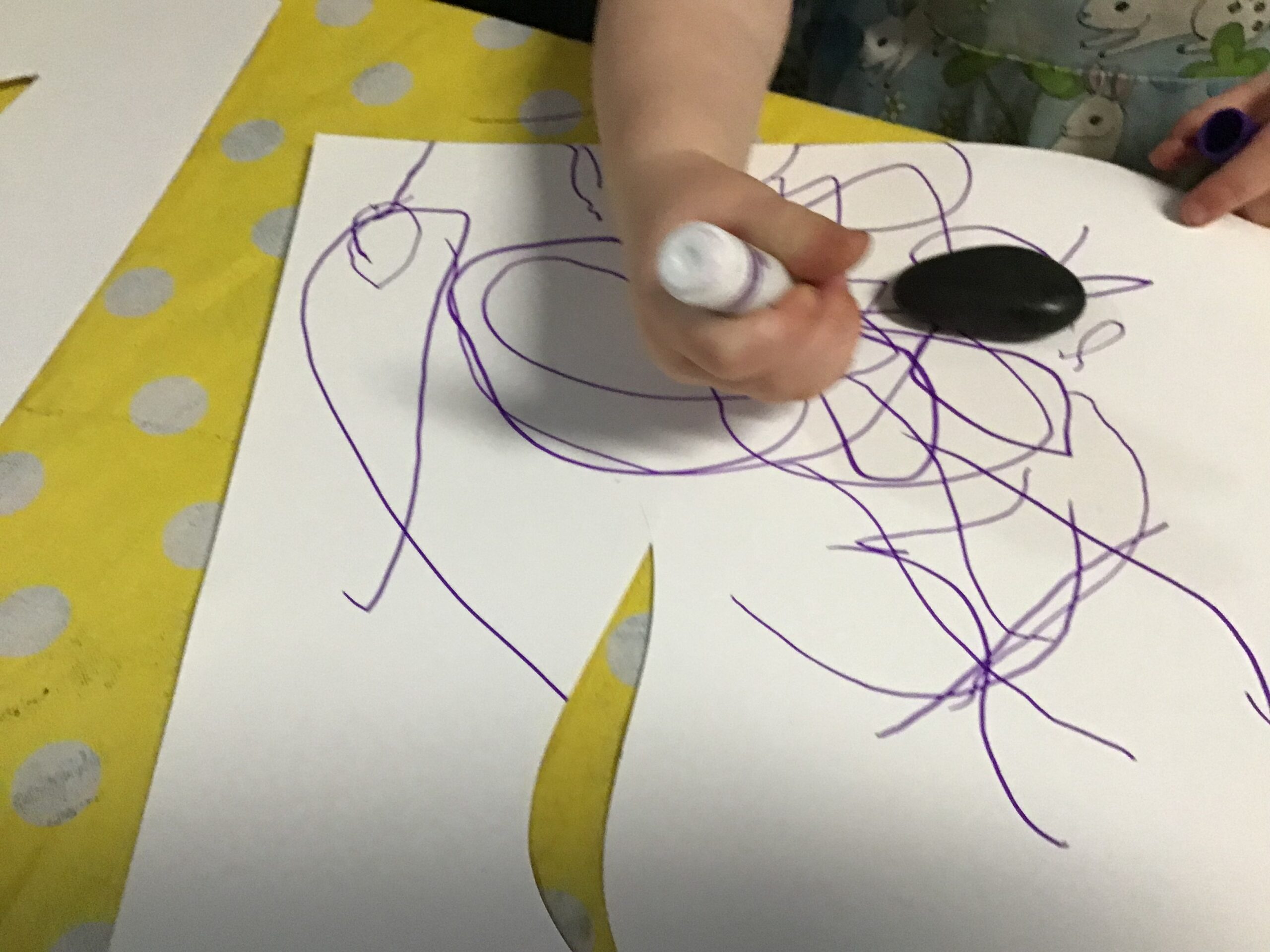
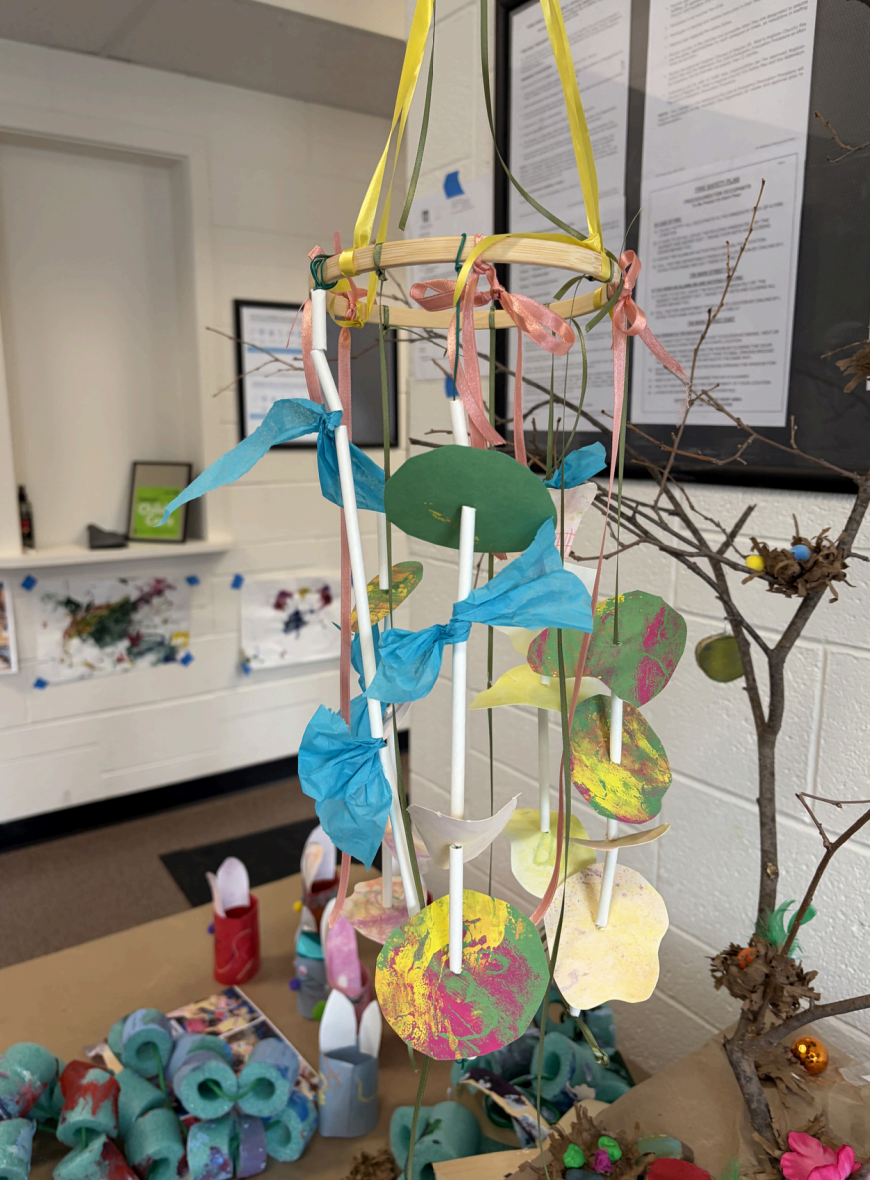
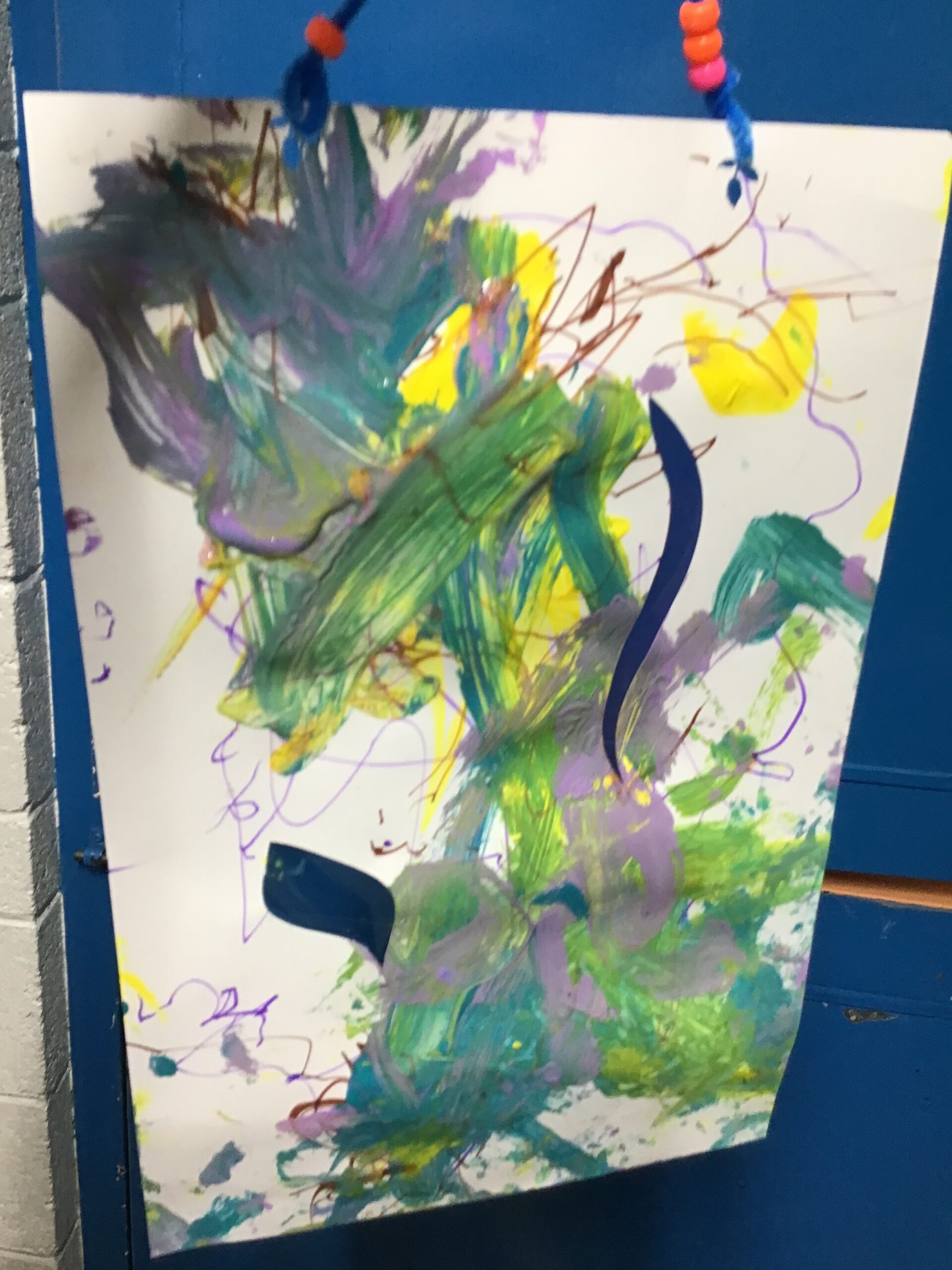
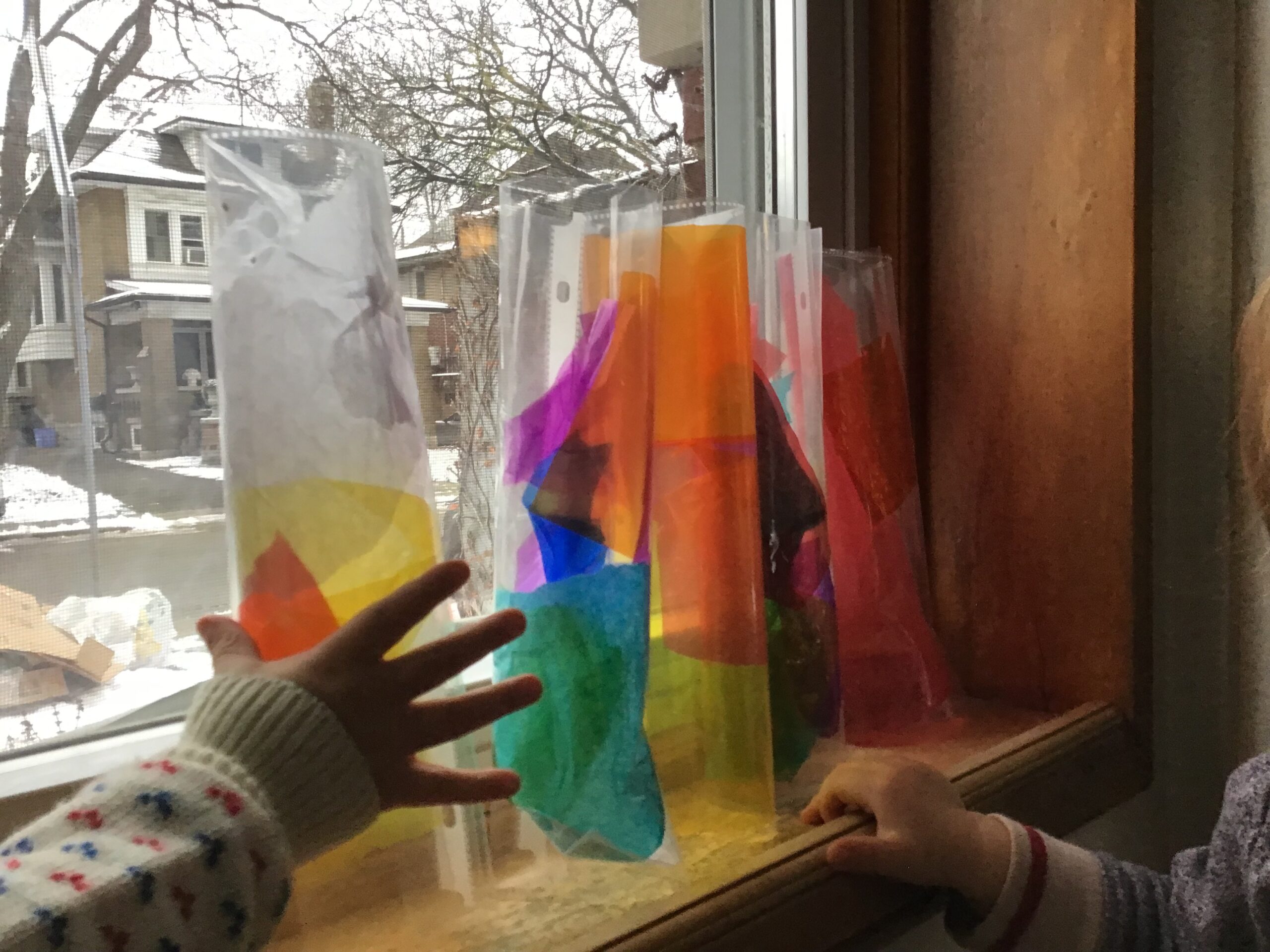
Working with both the toddlers and preschool children at St. Matthews reminded me that art is about exploration, play and wonder. Seeing them play with light, texture, colour, and varied materials, and watching their ideas take shape, was truly inspiring. For myself, the idea of setting up time for children to get motivated….how do we allow for that and prepare the stage for it? How do let children make their own choices and decisions in their art without stepping in too soon to solve it for them?
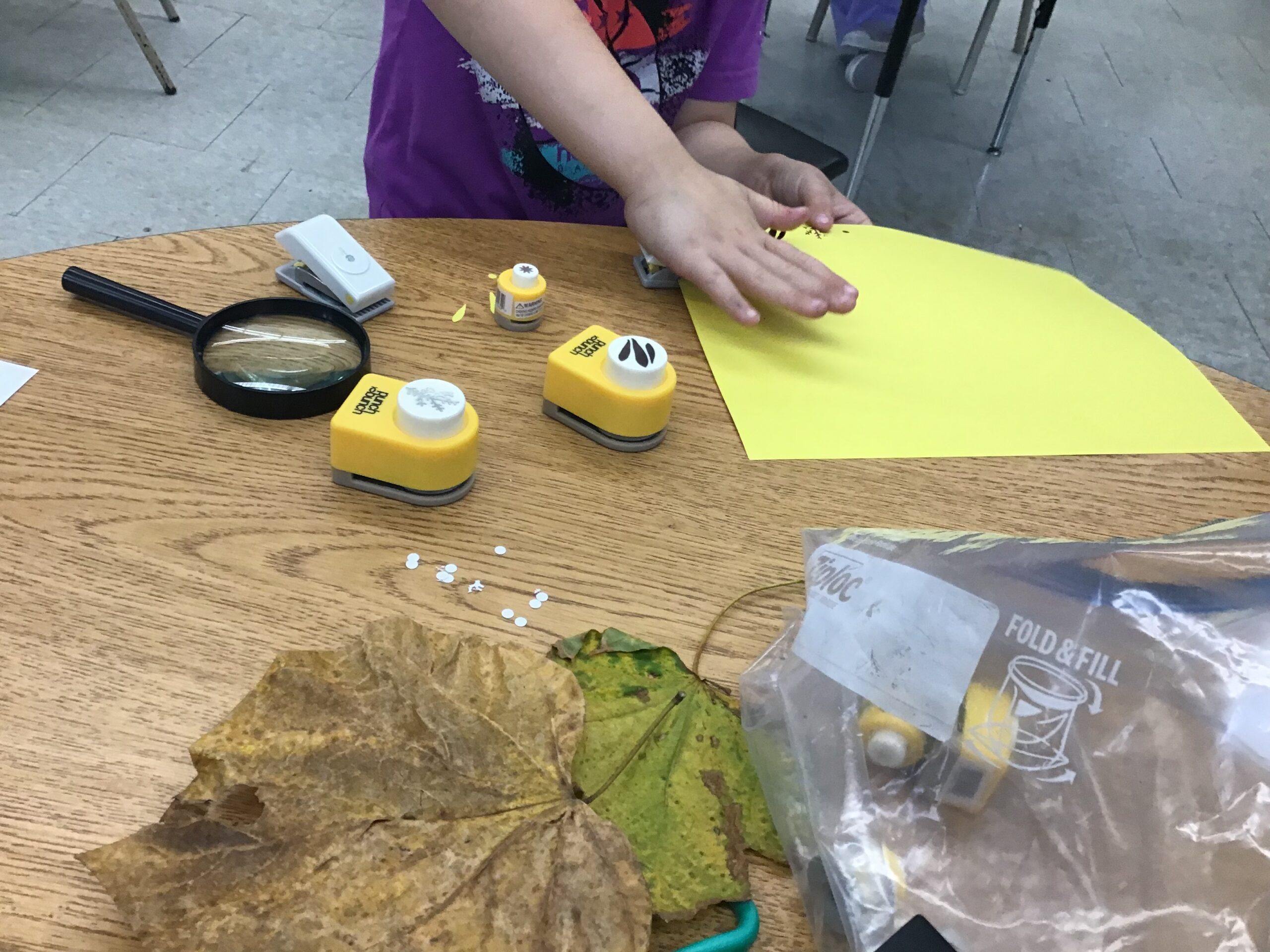
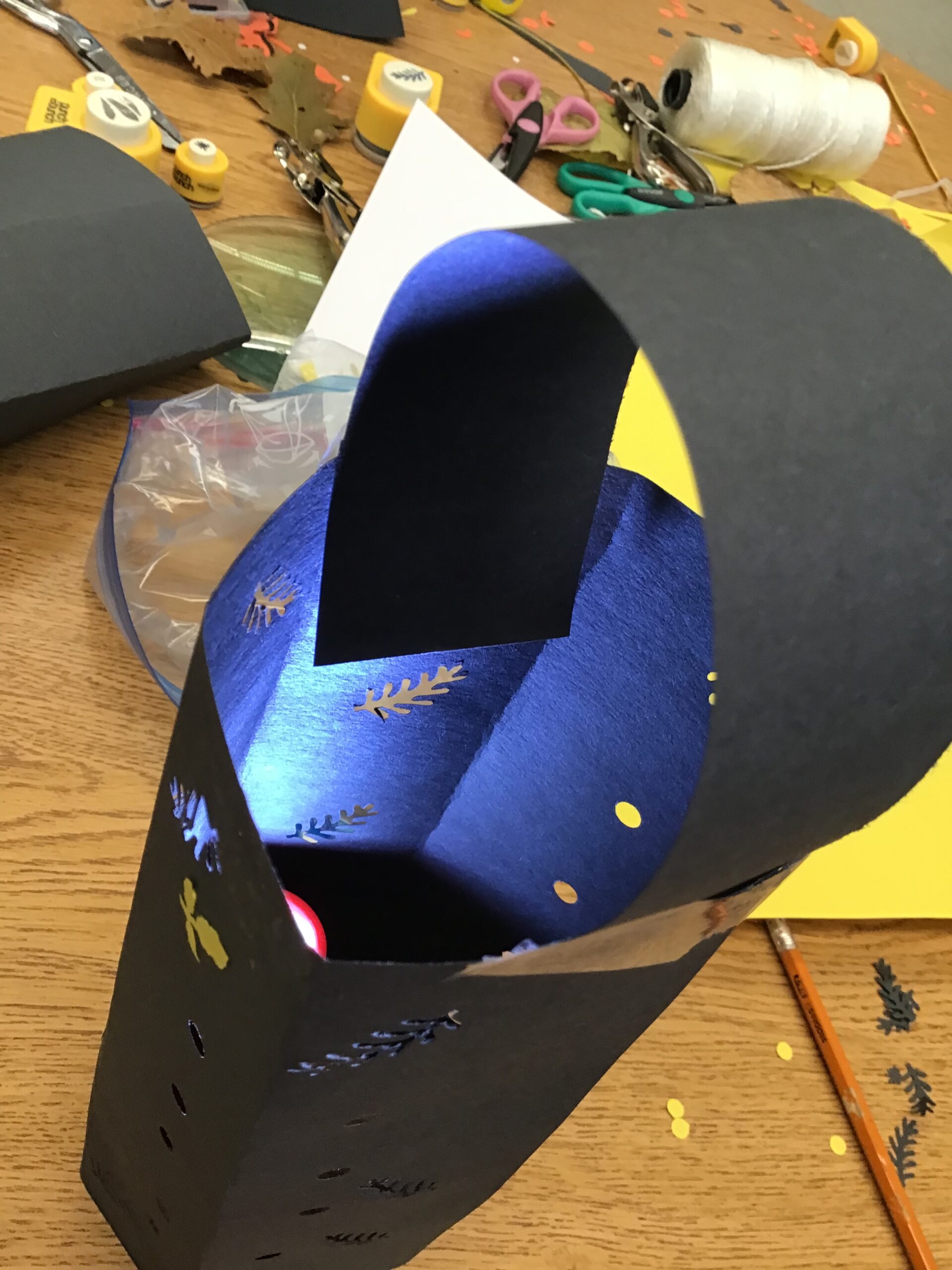
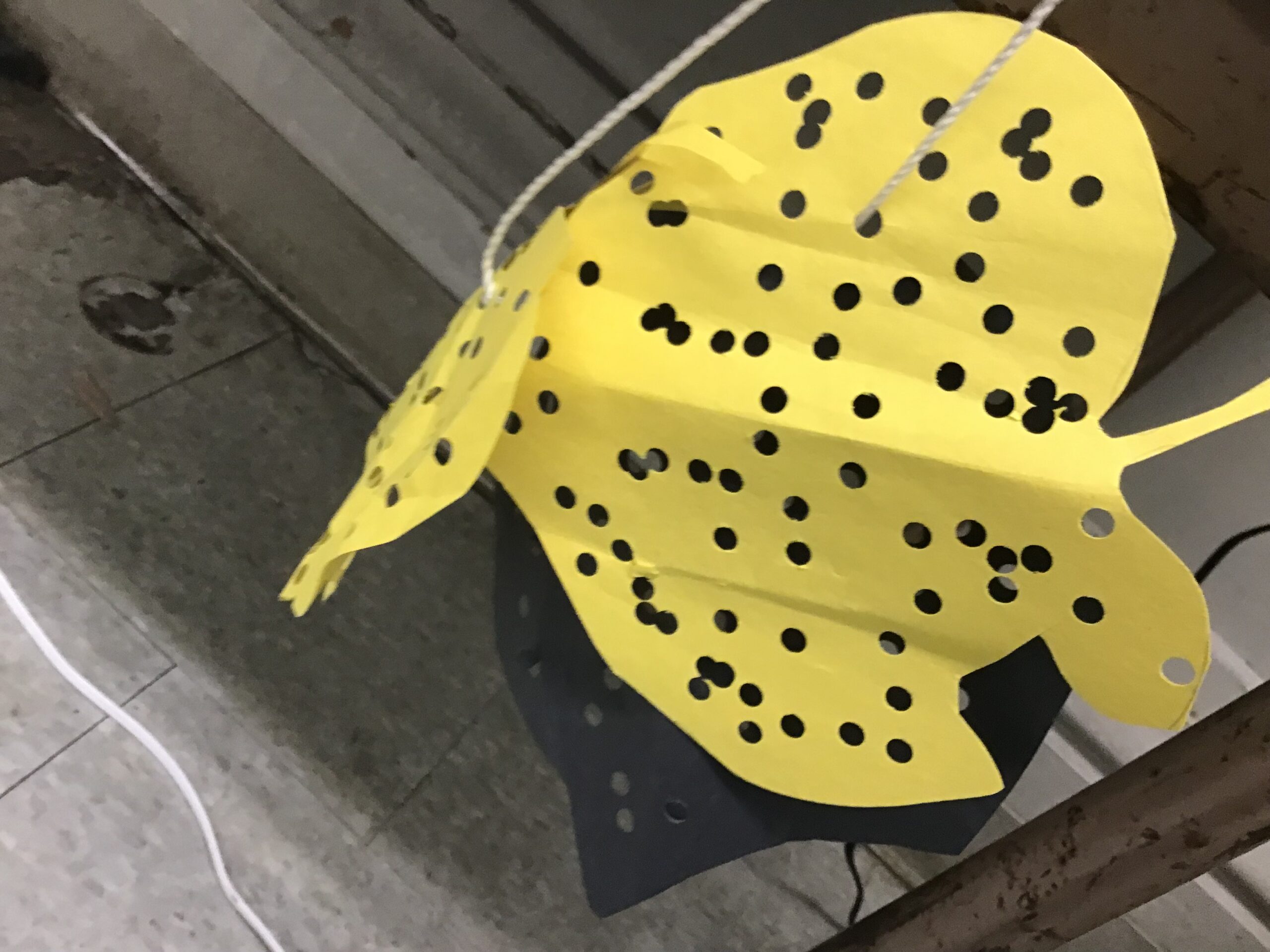
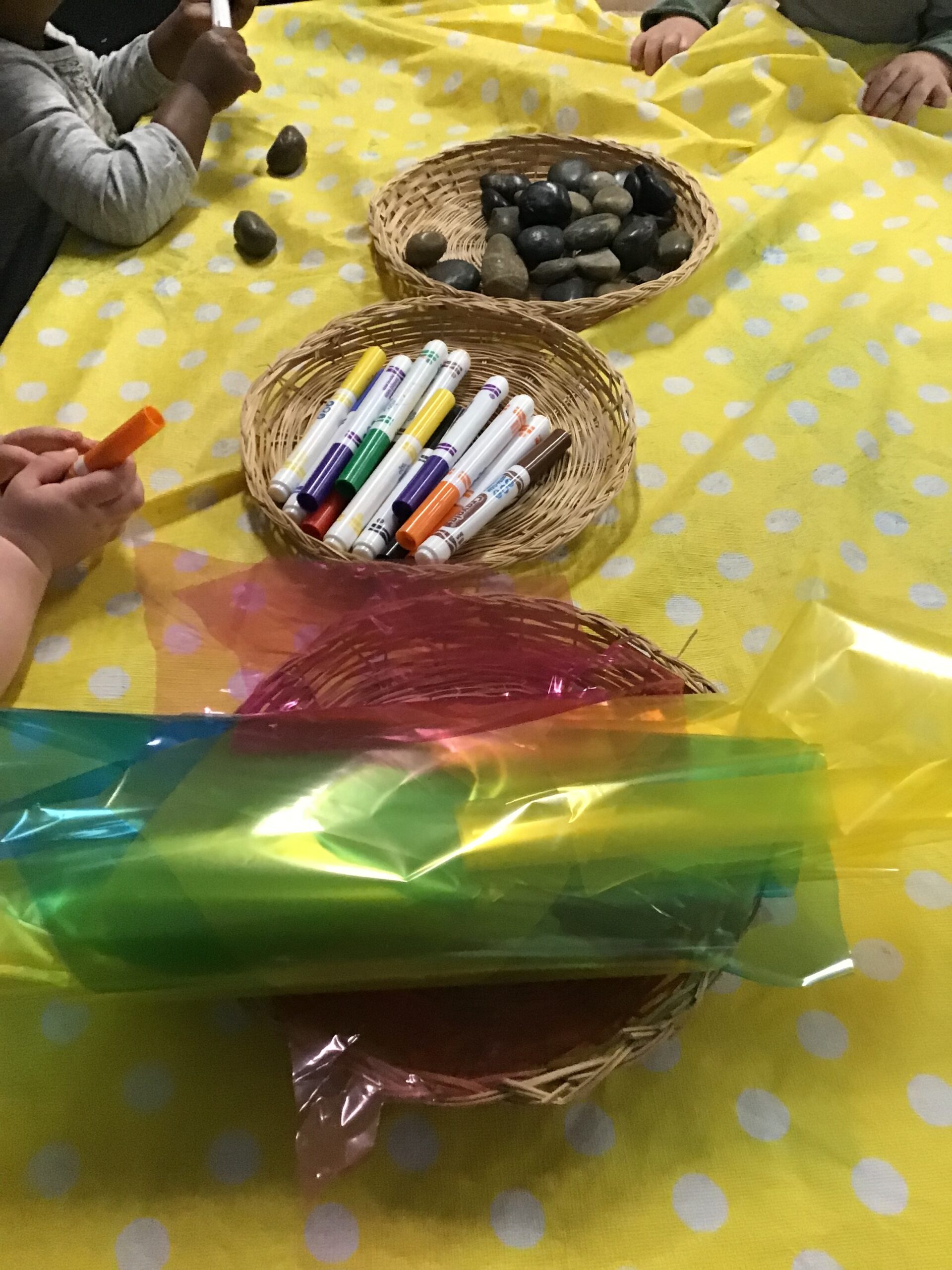
What...
At St. Matthew’s Early On daycare, we’ve been exploring various materials and
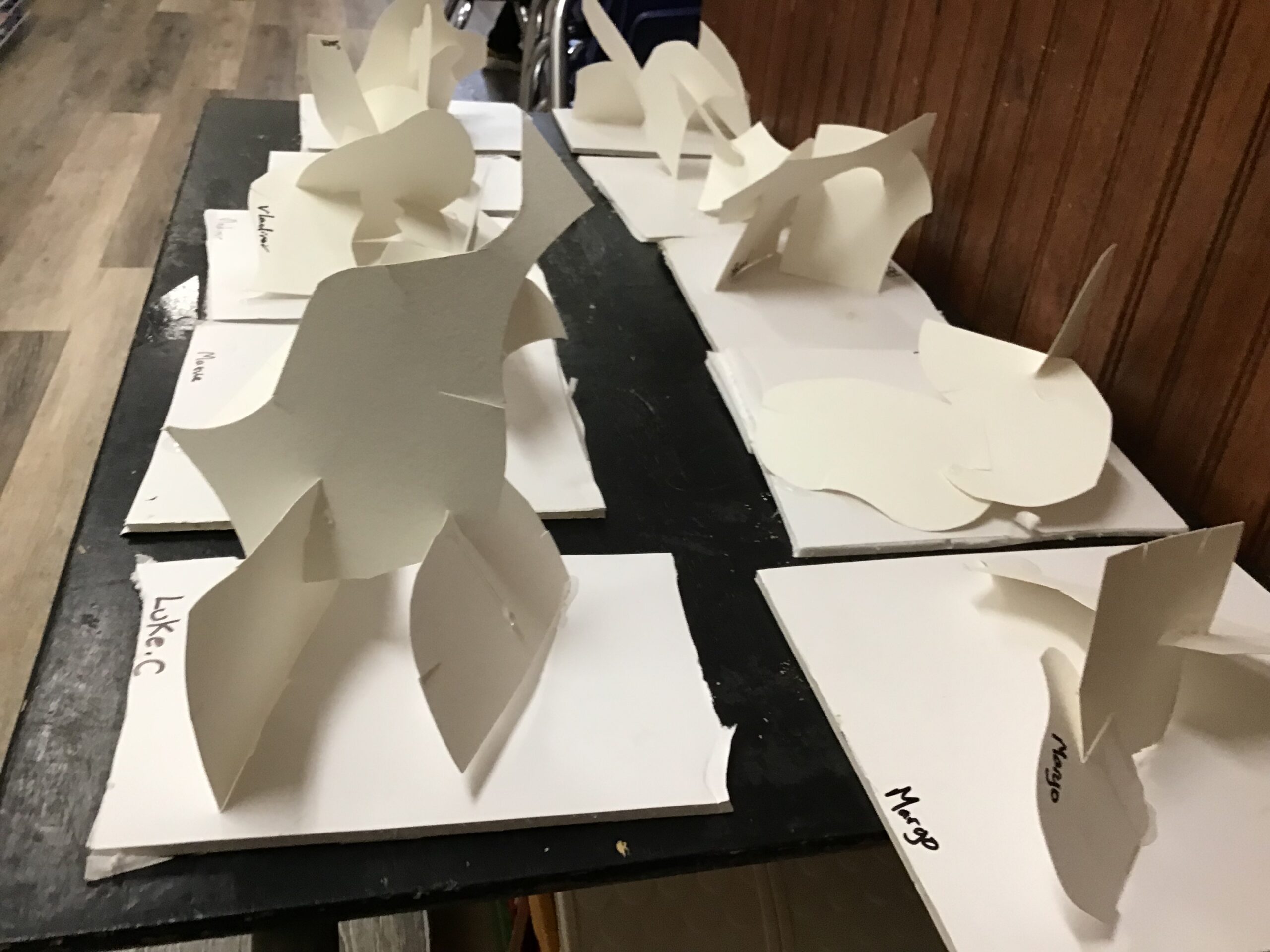
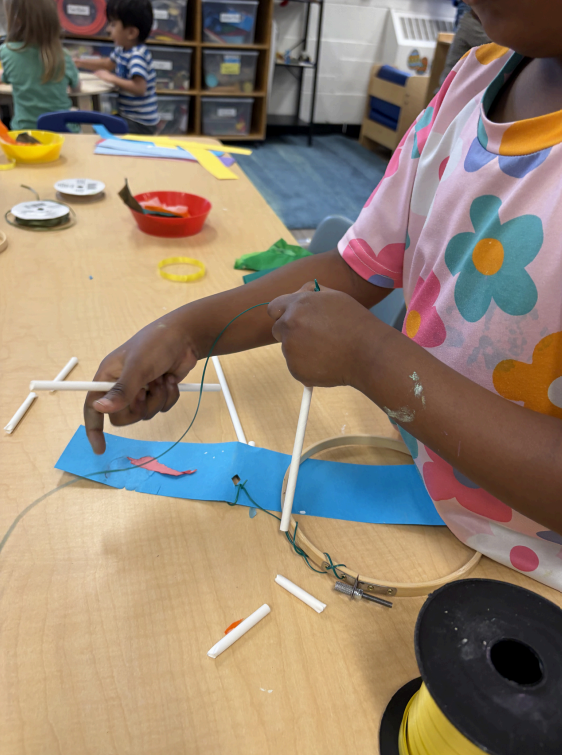
techniques, including playing with clay and wooden sticks, felting, paper construction, and working with light and transparency.
These activities were designed to encourage creativity, experimentation, and sensory exploration. For example, when working with clay, children were able to manipulate and shape the material, exploring texture and form. They created their own unique animal forms that they interacted with in a wooden structure that they had built, which also encouraged them to think about balance and weight.
Felting allowed them to transform wool into a new, tactile experience, while light and transparency activities introduced them to the magic of colour and shadow. Using plastic coloured sheets, leaves, and tissue paper helped them to experiment with shadow, forms, and storytelling.
So What...
These activities were crucial in a Reggio-inspired approach, as they prioritized
child-led exploration and curiosity. By engaging with various materials, children
were able develop their critical thinking, problem-solving, and creativity skills. The
hands-on nature of these activities allowed them to connect with their surroundings and make meaning of the world. For instance, when working with clay and wooden sticks, this related to the Reggio emphasis on nature and the environment, while felting and light exploration connected to the concept of transformation and discovery.
I have noticed that when children are given the freedom to explore, they often surprised me with their capacity for innovating –
like the child who created an intricate structure with secret openings and doors for their clay animal to go through. These experiences lay the groundwork for a
lifelong love of learning and curiosity.
Now What...
To build upon these experiences, I would incorporate more opportunities for children to take the lead in their creative process. This might involve setting up more open-ended provocations, where materials are presented without a specific outcome in mind, allowing children to drive the exploration, perhaps setting up a maker’s corner in the classroom, or a tray of odd and interesting materials that could be easily accessed for them to experiment with.
Additionally, incorporating more natural and found materials could further connect the children with the environment and foster a sense of stewardship. I have seen glimpses of these things happen in the daycare, like the child who built a bridge with blocks and a ramp to shoot shapes down, based on prior knowledge, or the child who knew how to create shadow puppets with his hands when we were playing with the light. By continuing to prioritize child-led exploration and curiosity, a rich and immersive environment that supports the whole child – cognitively, creatively, and emotionally can develop.
Children were pressing, pinching, and layering the modelling foam onto the cardboard, building up layers of low relief. The conversation shifted from “what is it” to “look how the form makes shapes” and then they decided what it would ultimately be. Perfect for little hands and exploring cause and effect. They enjoyed making the marks and building. One little boy said “mine has hills and it is a volcano” while another said “I made a happy face!”