

Evaluation
Artists in Neighbourhoods
Learning, Reflection, and Impact
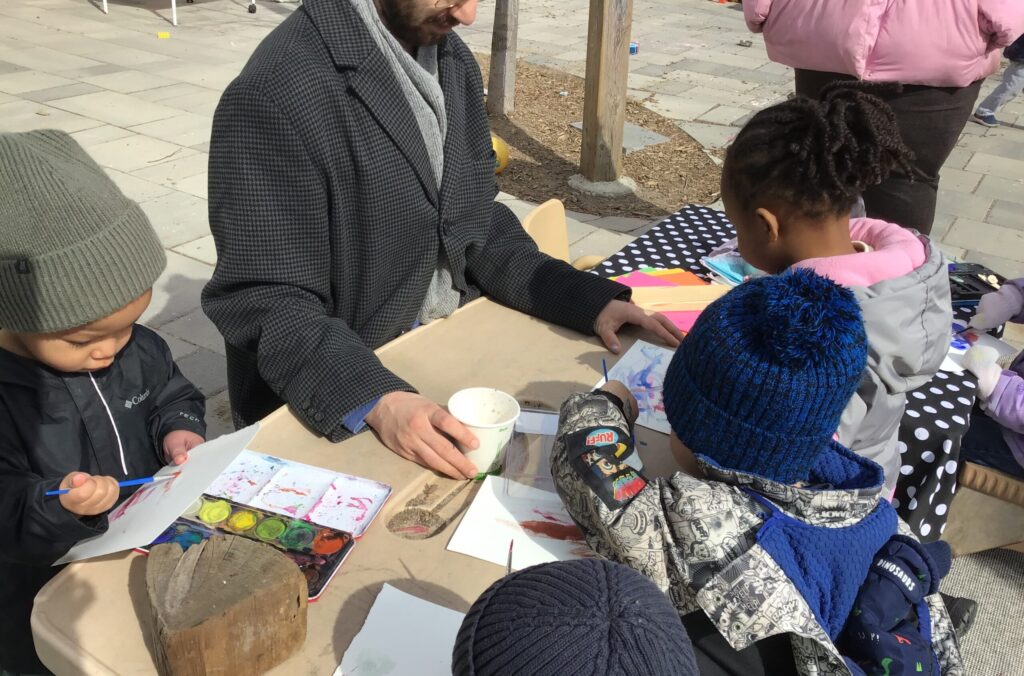
Evaluation within the Artists in Neighbourhoods program is rooted in reflection, relationship, and responsiveness. Inspired by the Reggio Emilia approach and guided by How Does Learning Happen?, our evaluation practices focus on making learning visible—honouring process, community voice, and lived experience alongside data.
Through Study Group sessions, pedagogical documentation, environmental assessment, professional learning reflection, and community feedback, evaluation becomes an ongoing dialogue that informs program growth, strengthens partnerships, and supports sustainable arts practices within early learning communities.
Program Evaluation Approach
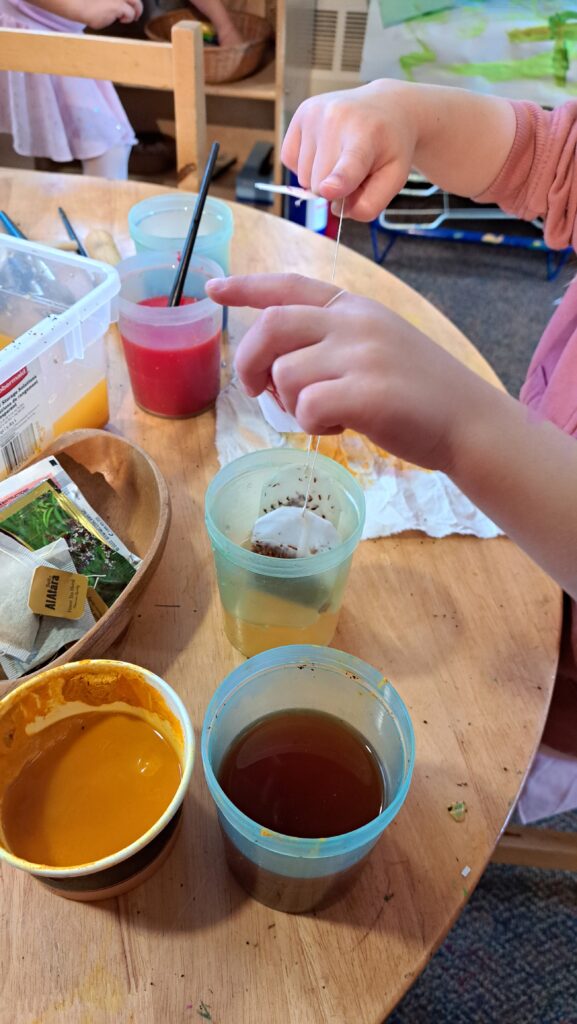
Evaluation in Artists in Neighbourhoods is embedded within the program itself. Rather than a single outcome-based measure, AiN uses a layered approach that includes:
Ongoing observation and reflection through ongoing Study Groups
Pedagogical documentation
Environmental evaluation
Professional learning reflection
Community feedback and dialogue
This approach reflects our belief that learning is relational, contextual, and deeply connected to place. Evaluation is used to support growth, adapt programming, and strengthen the capacity of artists, educators, and organizations.
City of Hamilton Evaluation
As part of the AiN pilot, the City of Hamilton conducted a system-level evaluation of the program’s impact within early years settings. Led by the City’s Early Years team in collaboration with Arts For All leadership, this evaluation examined program reach, delivery, and outcomes across participating neighbourhoods and organizations.
The City evaluation highlights the role of arts-based programming in supporting children’s well-being, engagement, and positive participation within early learning environments, particularly in neighbourhoods experiencing increased behavioural concerns. Findings reflect the scope of the pilot, including the number of sites, artists, educators, children reached, and hours of programming delivered, and contribute to informing next steps for Hamilton’s Early Years system.
The City of Hamilton Artists in Neighbourhoods Pilot Evaluation is available for download here.
Creating Environment: Site Evaluation Tool
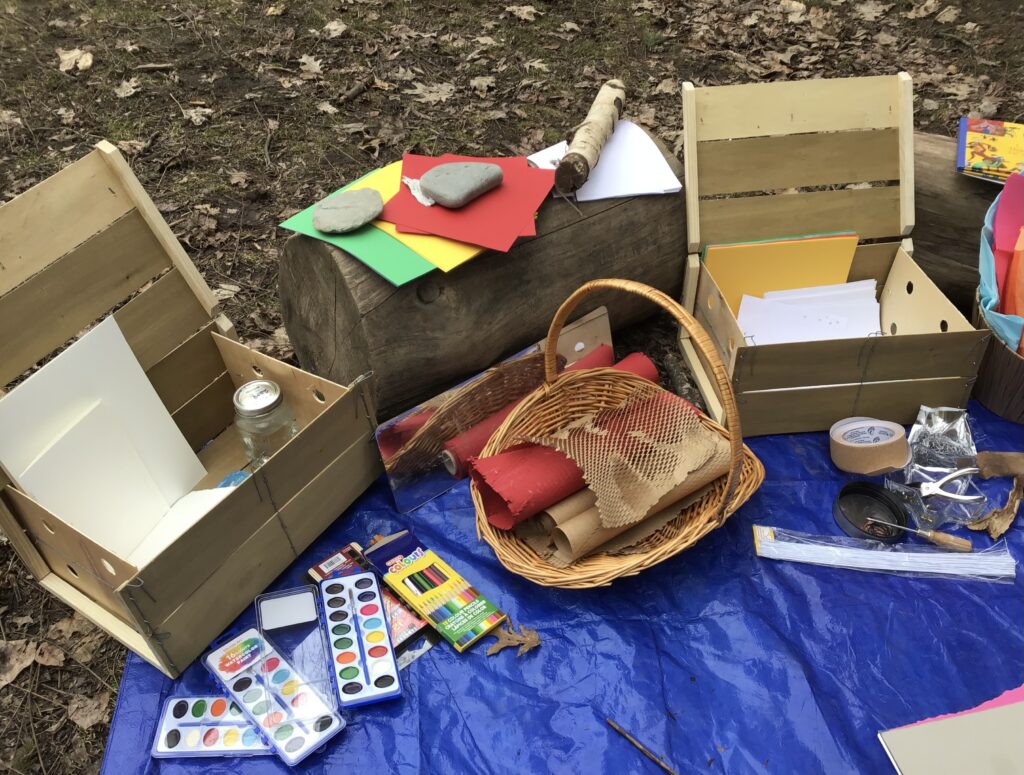
Arts For All created the Creating Environment Site Evaluation Tool (CESET) to assess how early learning environments support creative thinking, inquiry, and arts. The tool identifies both strengths and areas for growth, supporting sites in becoming more ArtsReady.
CESET focuses on:
- Accessibility and organization of materials
- The environment as a “third teacher”
- Children as capable, active learners
- Use of open-ended, sustainable materials
- Opportunities for collaboration and exploration.
Exhibition as Evaluation
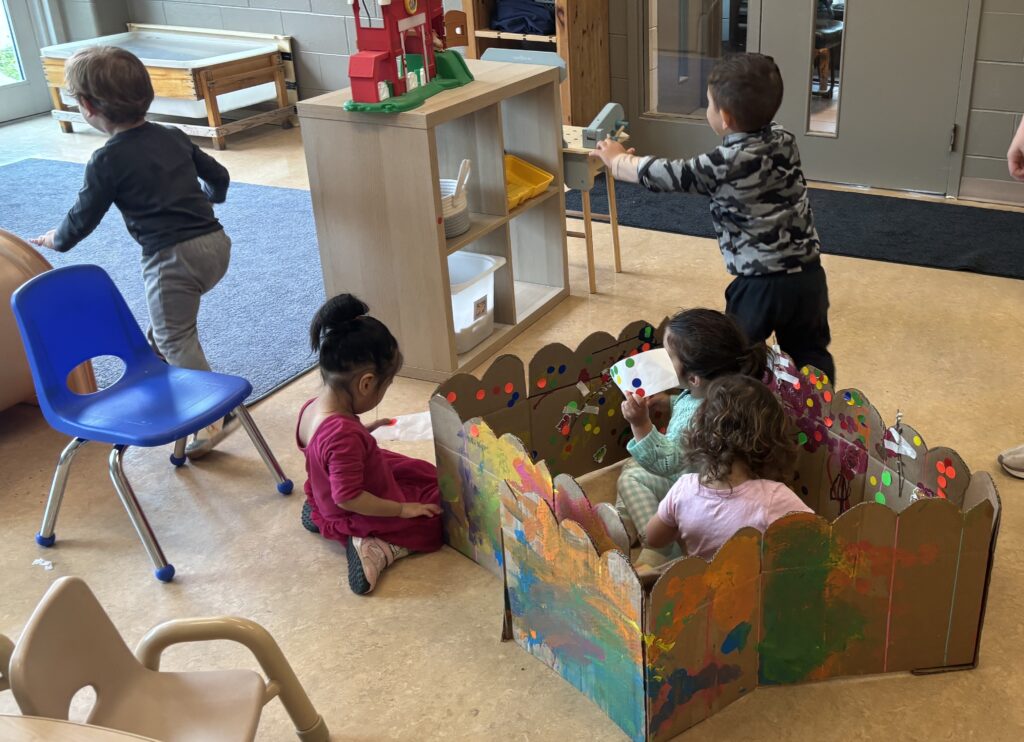
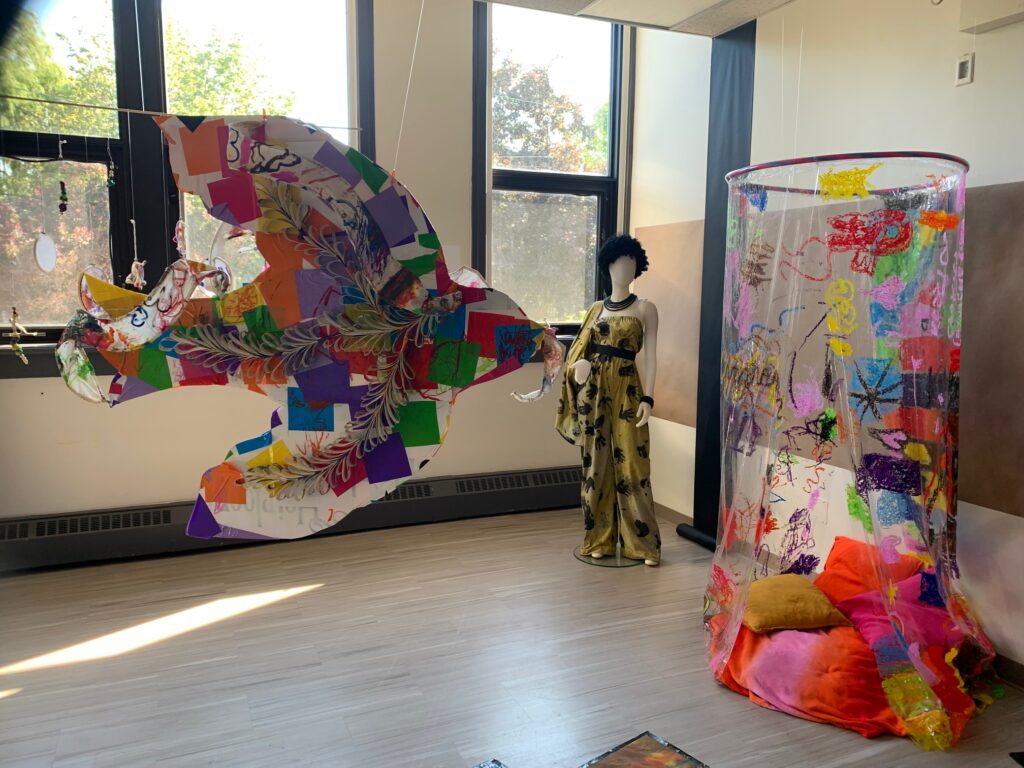
Within Artists in Neighbourhoods, exhibitions are understood as a form of evaluation that brings pedagogical documentation into shared view. Culminating exhibitions at the end of each term honour children’s thinking, processes, and relationships with materials by making learning visible to the community. These moments of celebration invite collective reflection, listening, and dialogue, allowing children’s voices and ways of knowing to guide understanding of the program’s impact.