Children know places through their bodies long before they know them through maps. They feel the texture of a fence, notice the smell of rain, listen to birds and traffic, discover small details adults pass by, and imagine what their neighbourhoods could become.
Throughout the summer, children will create traces of their experiences through drawing, sculpture, mapping, documentation, storytelling, sound, and installation. Together, these traces create a portrait of how children experience the places where they live, play, learn, and gather.
Rather than focusing on finished products, the program values observation, curiosity, experimentation, and the many ways children make meaning of the world around them. Children become artists, researchers, storytellers, and community members whose perspectives help us better understand the places we share.
Weekly Activities
Each weekly activity is crafted by the Artasia 2026 team to deliver the core message of this year’s theme. This year, we’re inviting children to explore their communities through five sensory imaginations:
Week 1: Feeling
How does this place feel? This week explores safety, care, comfort, and belonging through material encounters.
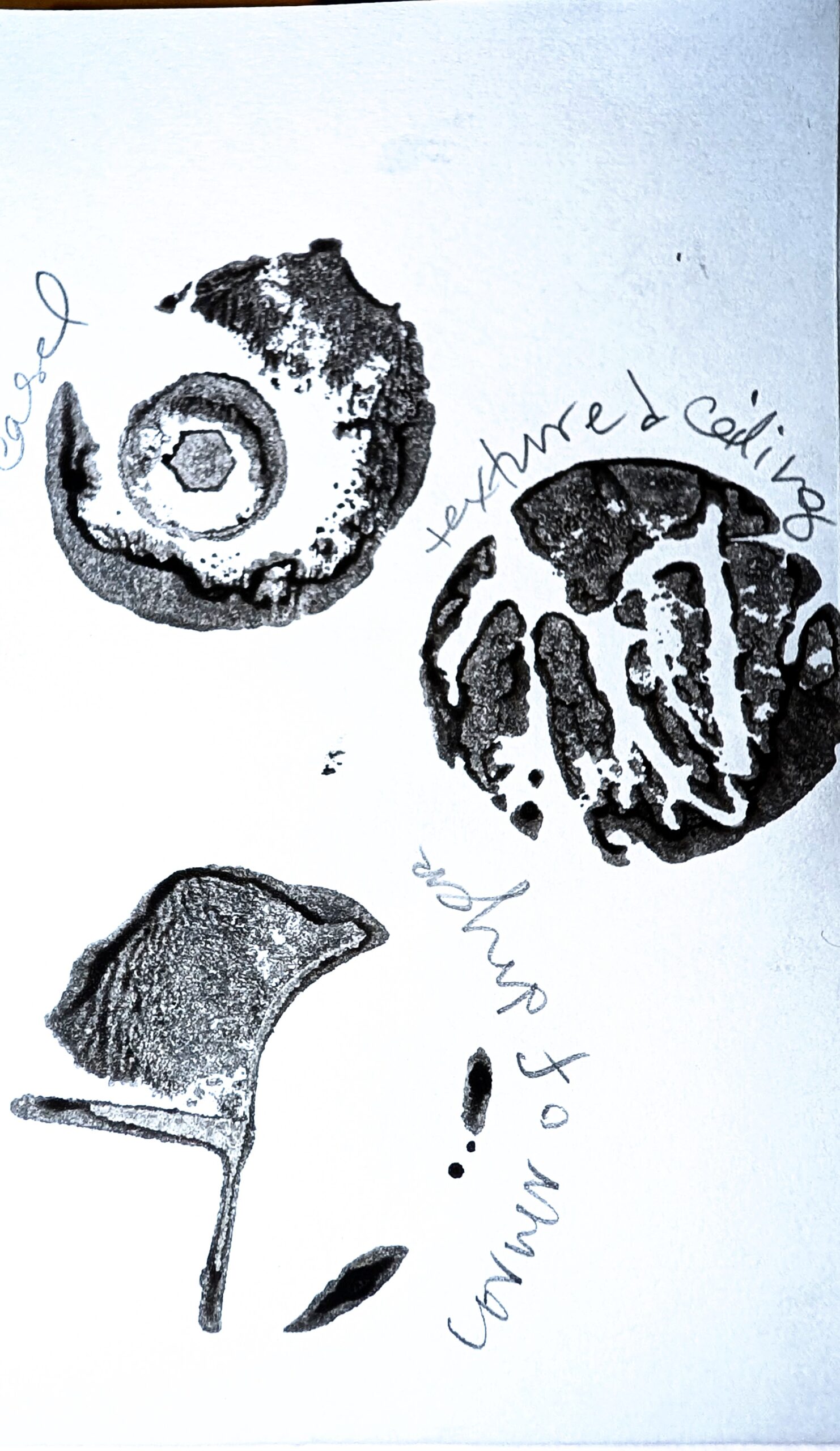
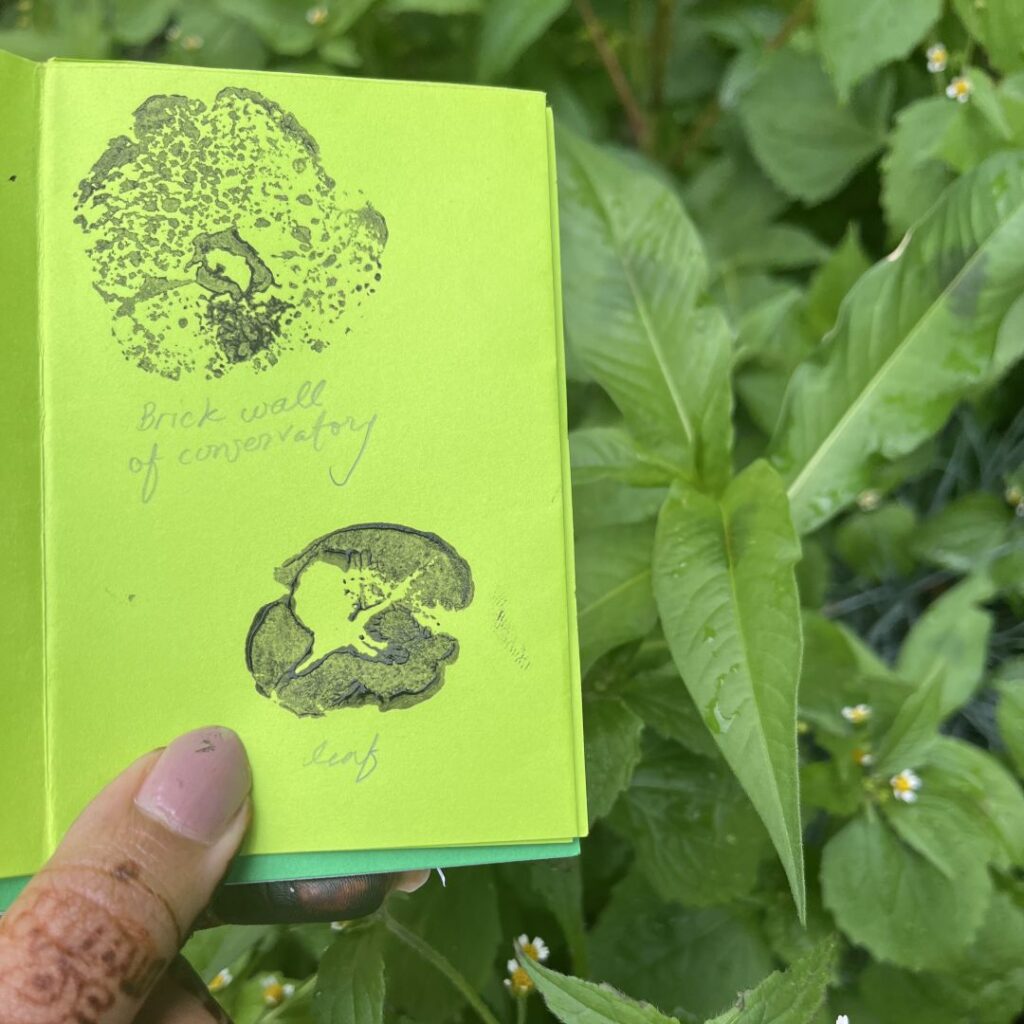
Using clay and ink pads, participants will explore different textures inside and outside locations. Clay will be used to create imprints of the children’s interests, and stamped with ink into texture atlases. EarlyONs will have booklets created for them, and older participants will learn to fold a zine for personal storytelling.
Week 2: Smelling
What memories live here? Children will explore place through scent, memory, and environmental awareness.
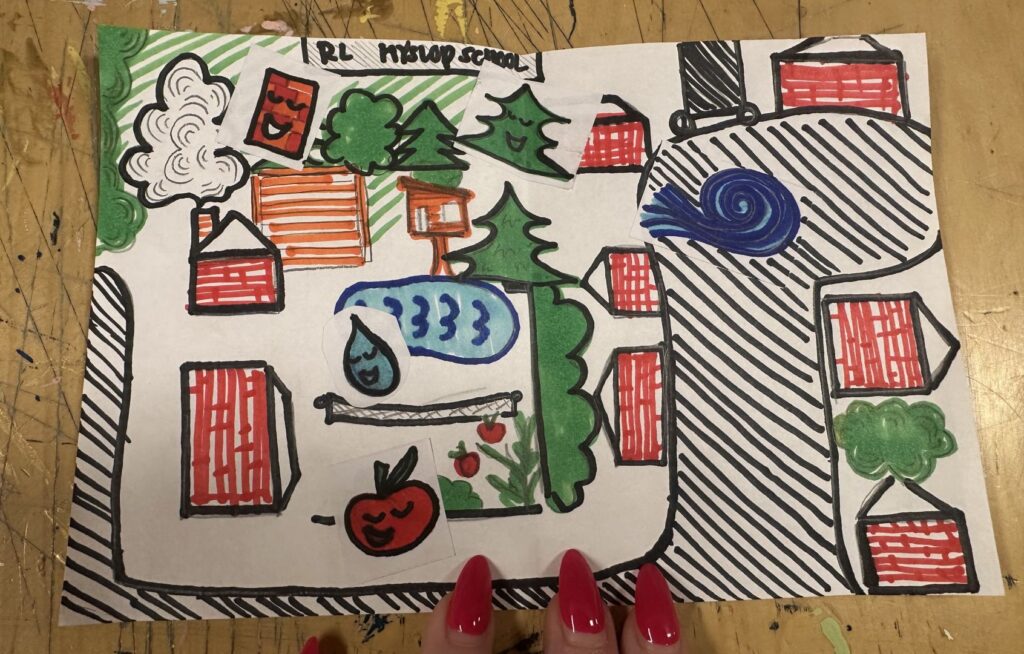
A topographic view of the site will be drawn on a large piece of paper. Children will use sticker paper to draw their versions of scents and place them where they were most prominent on the collaborative map. Along the way, artists and children will connect scents with memories.
Can a smell bring back a place? Can a smell bring back a person? Can a smell tell a story?
Week 3: Seeing
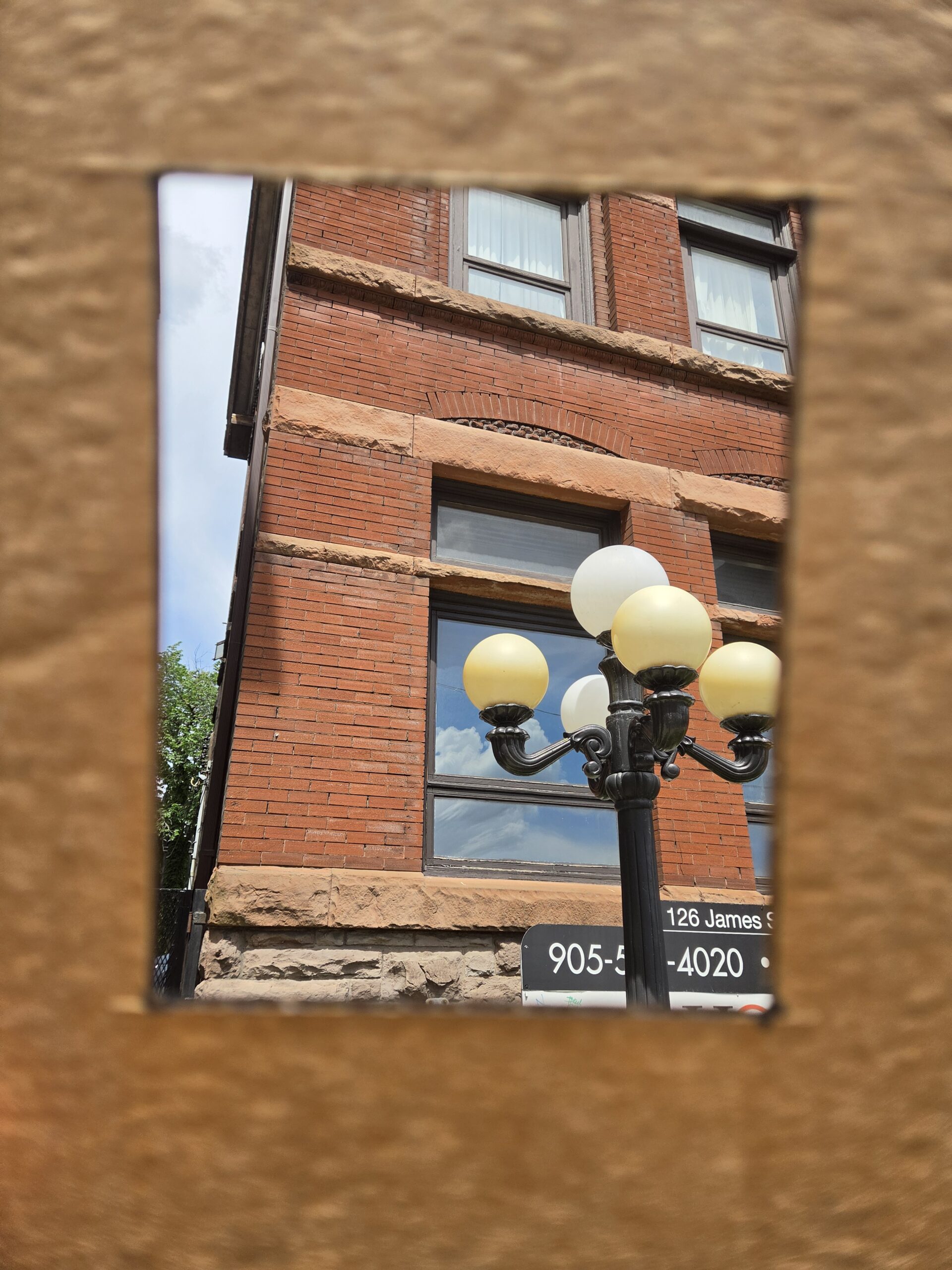
What do we notice? Children become researchers of the visible world. We will be exploring space through careful observation, framing, and noticing.
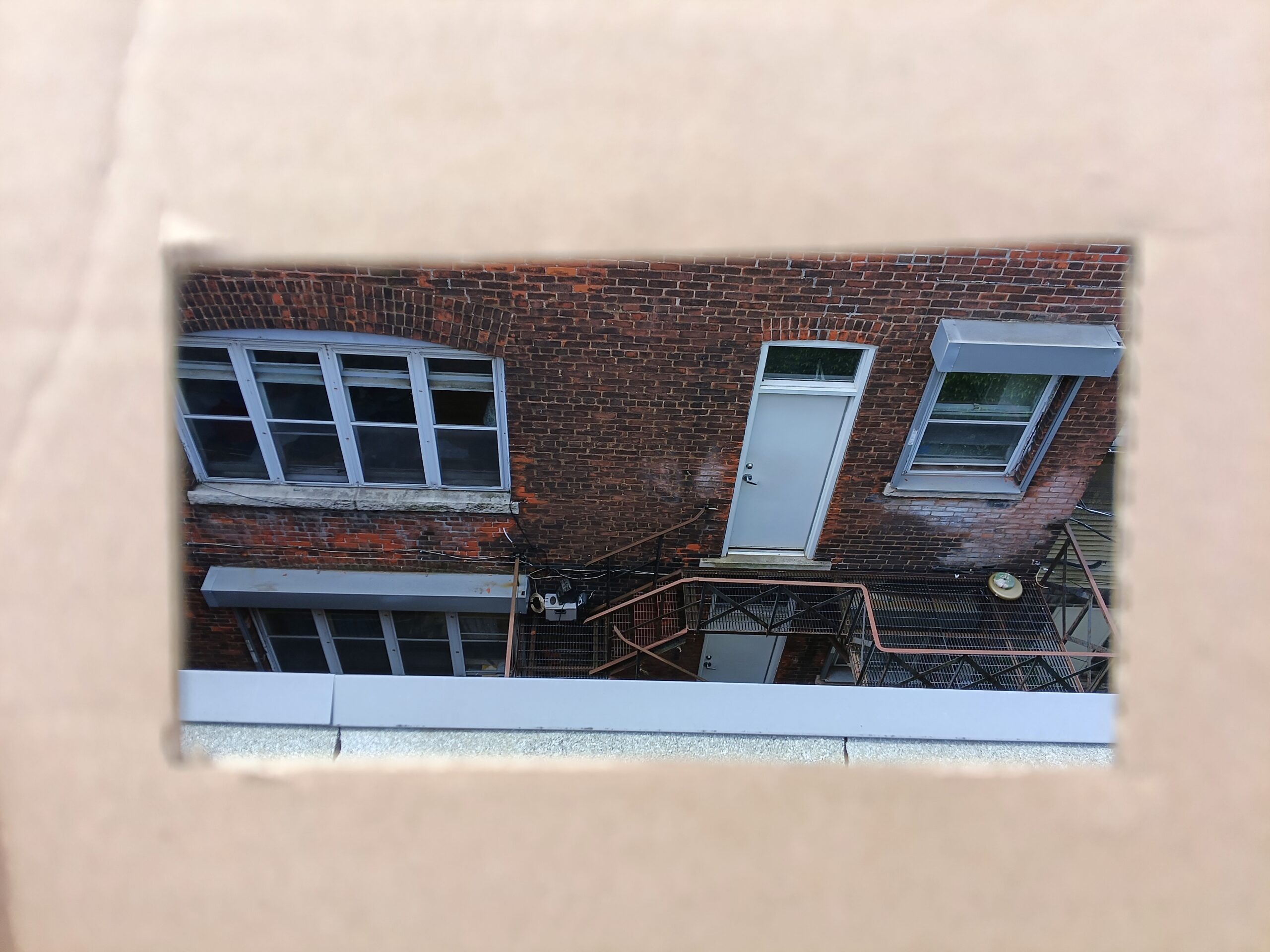
For EarlyONs, children will create cardboard frames and hold them up to their interests, framing their perspectives into photographic art. Educators will assist in taking a photo of their framed objects.
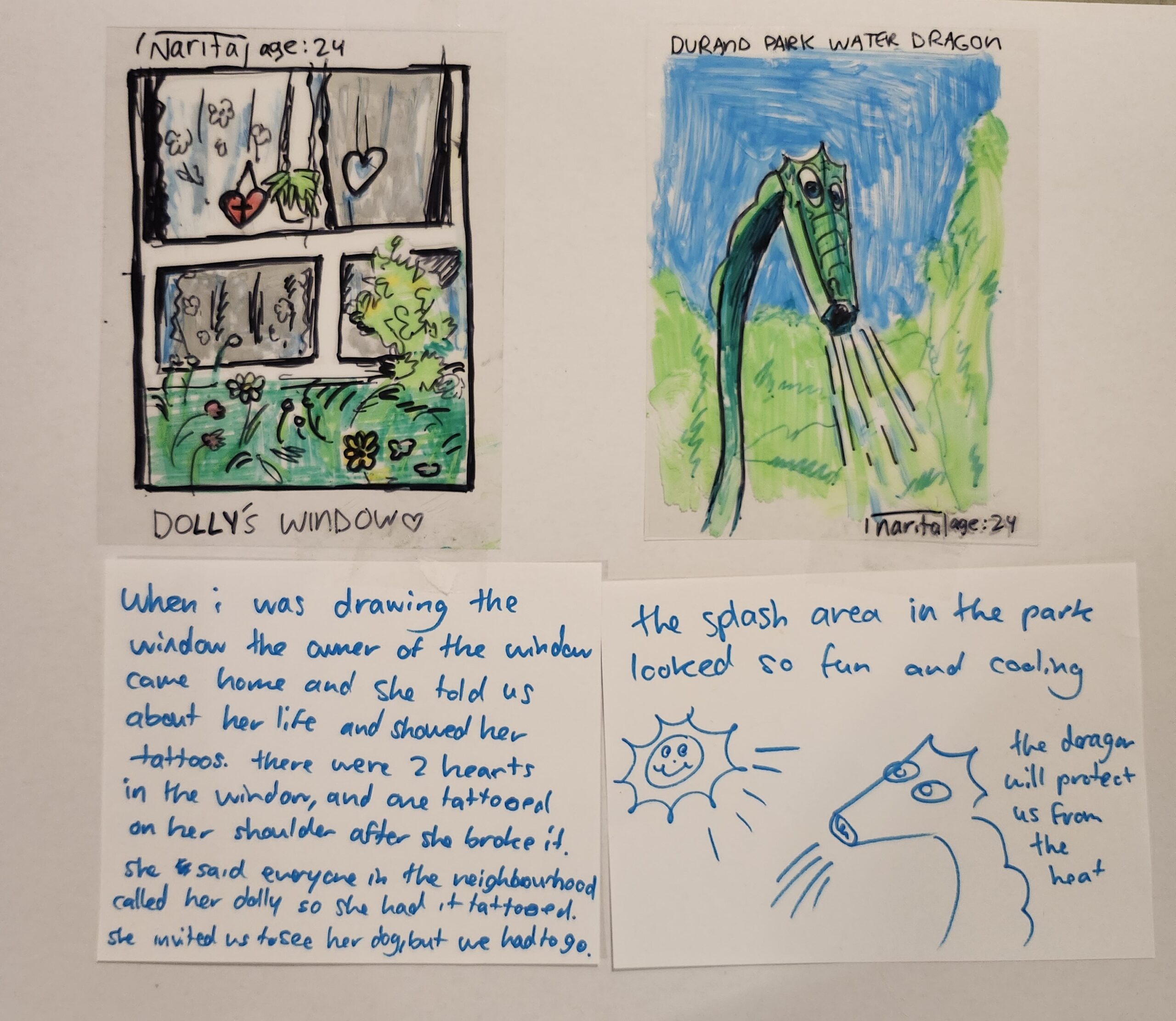
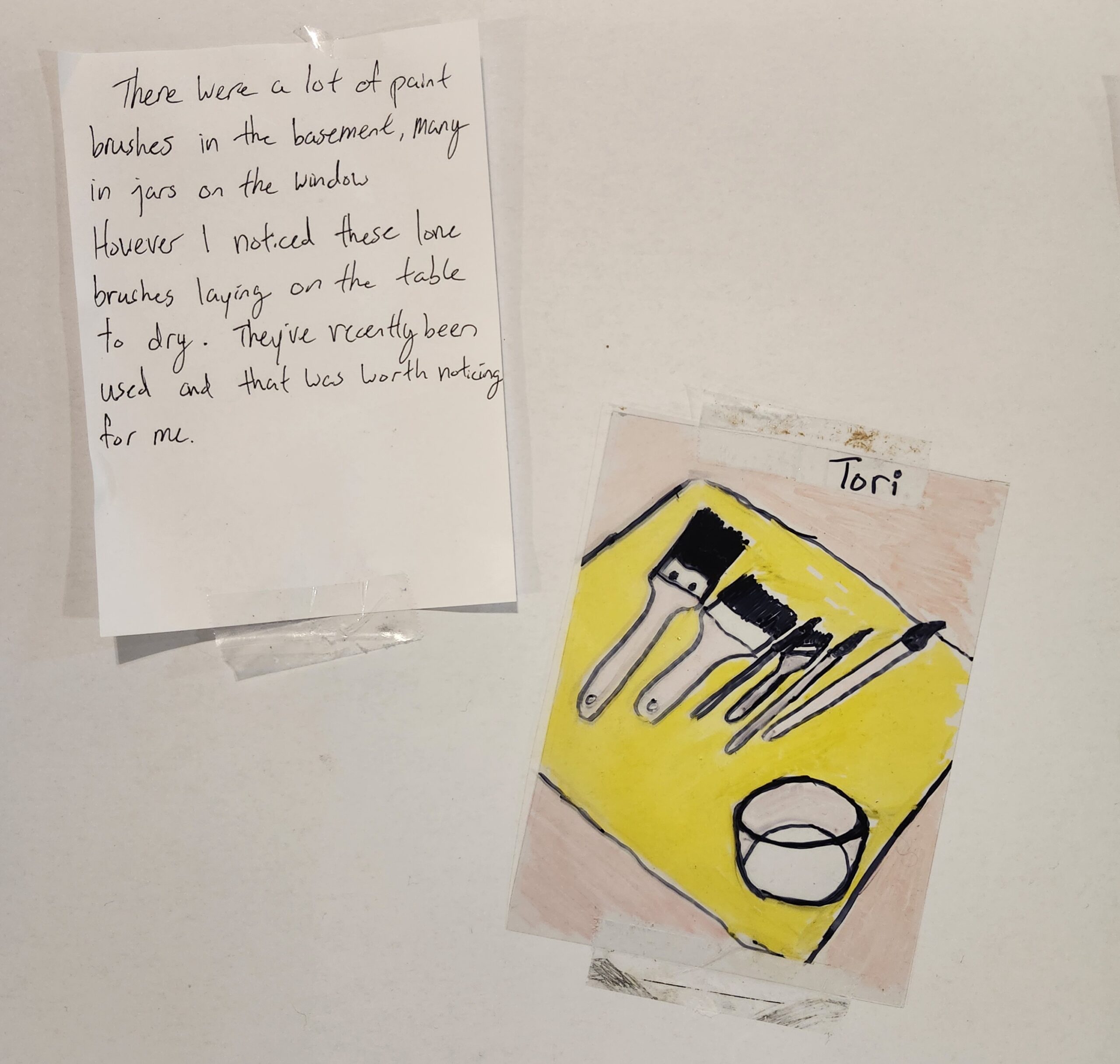
For older participants, a piece of acetate will be attached to their cardboard frames. After finding a point of interest, they will use markers to trace the contours of their found object onto their clear frames. When complete, the acetate can be removed and coloured with acrylic paint markers.
Week 4: Listening
What voices live here? This week connects to Hamilton’s Charter of Rights of Children & Youth – the right to be heard. Children’s experiences of place are explored through sound, voice, movement, and collective listening.
Educators and children as a collective will explore their locations through sound- using Artasia iPads as field recorders. Children can continue the soundscapes by drawing what the sounds mean to them, creating a collage of multisensory input.
A final sound collage by Graeme Gerussi.
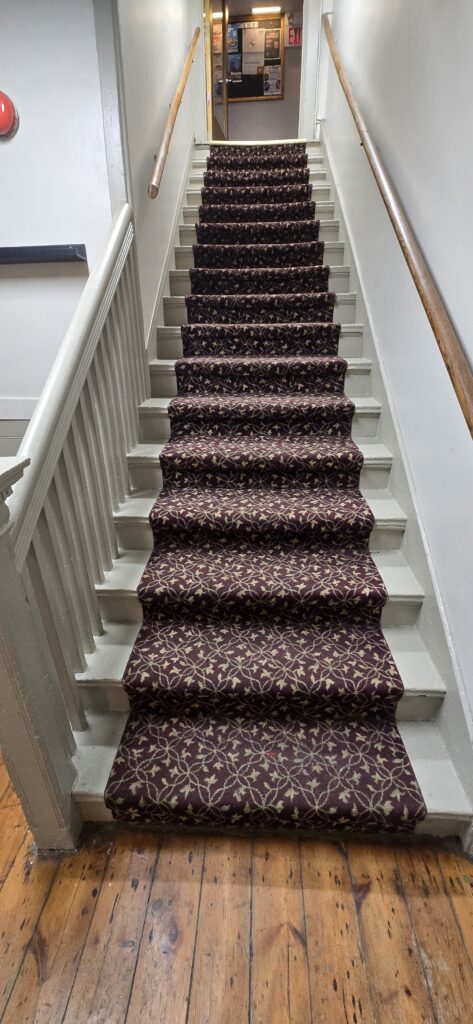
A field recording of the pictured stairs.
Week 5: Imagining
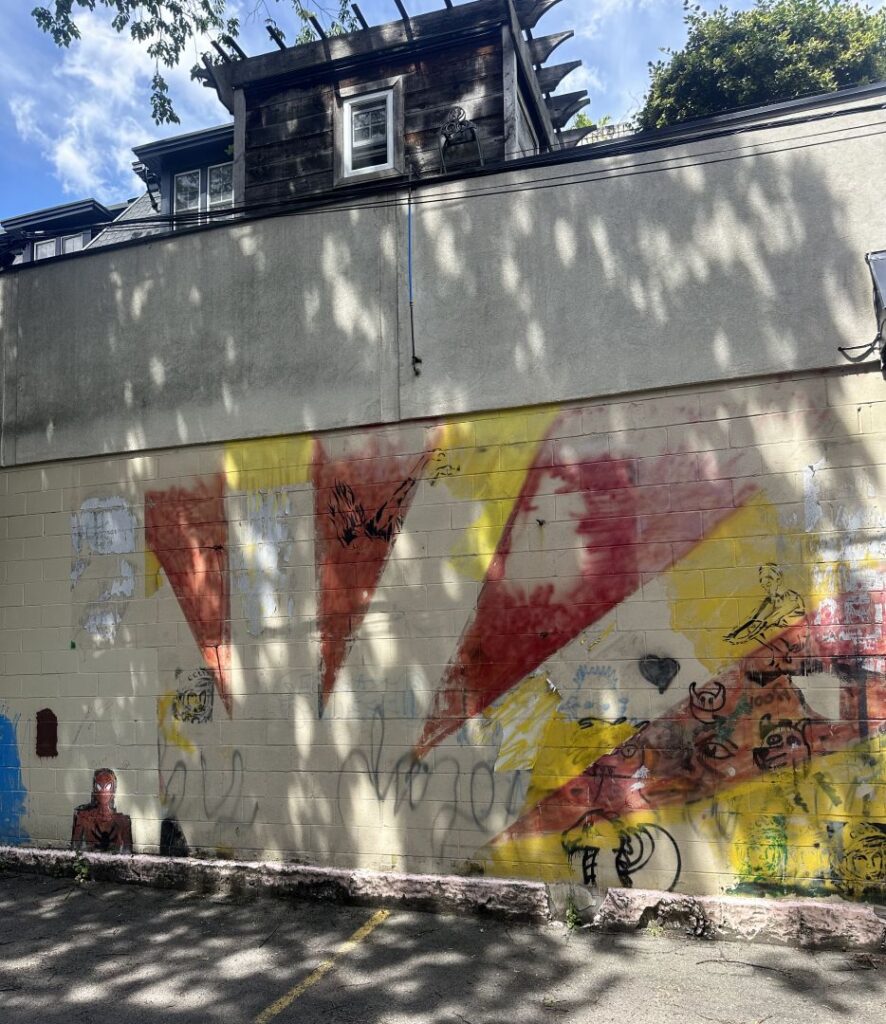
What could this place become? The previous weeks generate research. Now, children become designers. Children revisit traces, recordings, and observations from earlier weeks and transform them into ideas, proposals, and creative visions for the future.
Educators will bring in photographs of their locations, and participants will intervene with drawings on acetate and clay creations to build into their shared language of community. Along the way, we will reflect on how communities can be shaped to make them more reflective of children’s perspectives.